

By Logan Garcia
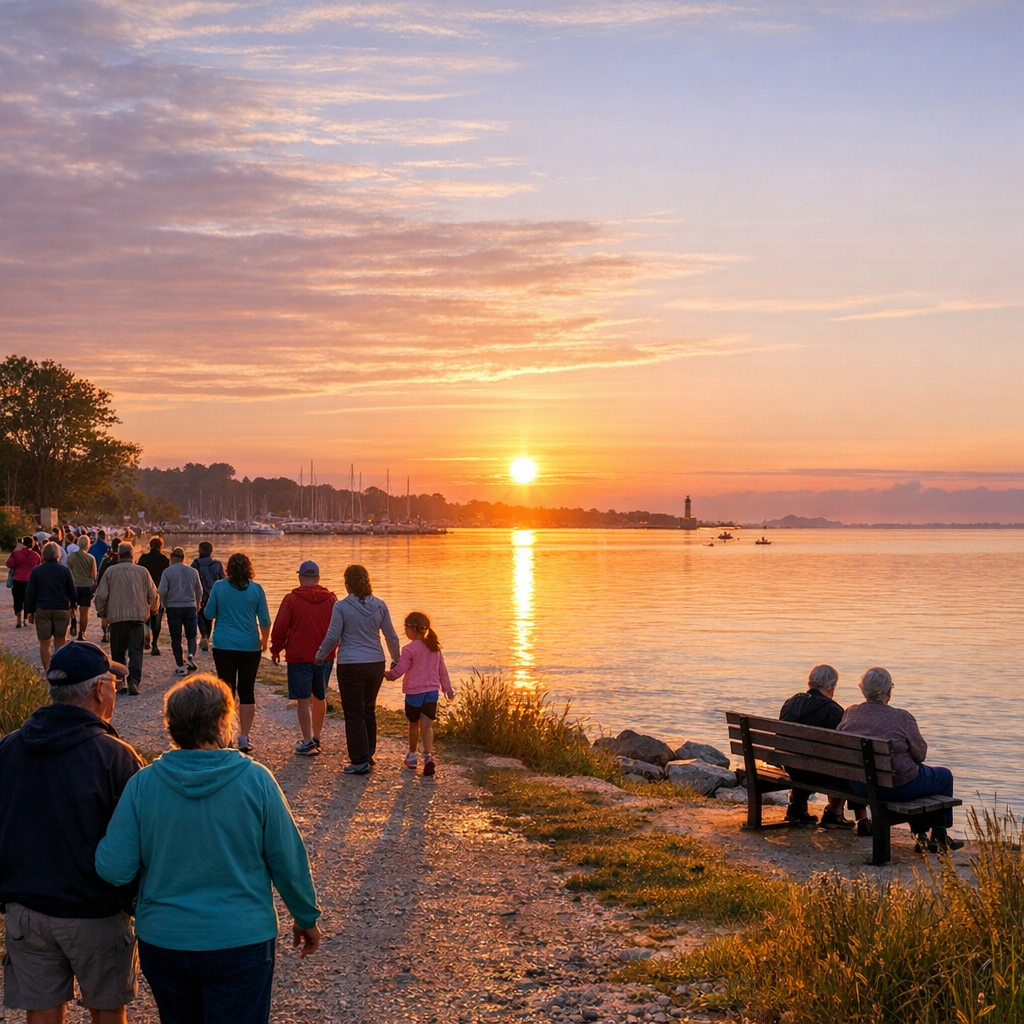
Walking along Muskegon Lake these days feels different. The air feels lighter, the water clearer, the paths cleaner. After decades of industrial neglect, the lake—once deemed one of the most polluted sites in the Great Lakes basin—has undergone massive cleanup efforts. These transformations are good. But as development and interest rise, so have tensions around who is included in this newfound prosperity. What kind of waterfront future do we want in Muskegon, and who gets to shape it?
From Blight to Beauty: Our Story of Renewal
Muskegon Lake was once synonymous with industry-powered water toxicity—mercury, PCBs, waste runoff, and more. In recent decades, however, local groups and leaders put in the work to heal the lake and its watershed. Laws got enforced, polluters held accountable, wetlands restored, and public access reclaimed. Today’s parks, trails, waterfront housing, businesses, and fisheries all reflect this turnaround. The lake isn’t just cleaner; it’s also becoming a focal point for community pride and economic opportunity.
The Risk of Eco-Gentrification—and What That Means Here
With beauty comes demand. Developers eye prime lakefront land; property values rise. Some longtime residents worry they’ll be priced out of neighborhoods they’ve known their entire lives. A recent feature described Muskegon’s challenge: how to welcome newcomers while making sure those who stayed through lean years don’t lose what makes the place theirs. Real changes—like rising property taxes, new condo buildings, limited affordable housing options—could shift the social and cultural map of the lakefront. And not always in ways that serve everyone equally.
What Community Voices Are Saying
- Preserve access: Trails, parks, marinas—many say these must remain public and affordable. That means keeping user fees low, ensuring ADA accessibility, and preventing privatization of waterfront sections.
- Honor heritage: Many believe historical buildings, local fishing spots, and industrial history need to stay visible, not erased in favor of sleek new architecture. Stories, memorial plaques, local art—these help keep community roots alive.
- Ensure affordable homes: Residents ask for mixed-income housing and safeguards so that people with modest incomes can still live near the water—whether in Muskegon Heights, downtown, or swaths of shoreline neighborhoods.
- Include voices early: Community members call for open, early conversations on waterfront plans—not just when blueprints are half-drawn. They want a say in zoning, public space design, green infrastructure, and environmental protections.
Finding the Middle Path
Muskegon doesn’t have to choose between growth and equity. Cities around the country have adopted tools that could work here:
- Community land trusts: Nonprofit organizations that own land and lease it out at affordable rates, protecting housing for long-term residents.
- Inclusionary zoning: Requiring new developments to include a percentage of units that are affordable.
- Waterfront overlay districts: Ensuring public access, walkability, green space, and ecological protections in lakefront zones.
- Heritage conservation: Incentives to rehab historic buildings and retain local businesses rather than let them be replaced by national chains.
- Transparent public participation: Regular, accessible forums—online and in person—so locals know what’s happening in design, planning, and investment decisions.
What Happens If We Don’t Move Together?
If rising rents oust longtime neighbors, or if lakefront spaces become elitist showplaces, the lake—this shared resource—loses its meaning. Muskegon risks creating a waterfront that is beautiful but feels foreign to many. On the other hand, if we get this right, the lake becomes a stage for shared identity—a place where every resident, no matter their income or background, feels at home.
When I look at the lake, I see both glimmering boats and memories of rough winters, family fishing trips, rusted factories, and hopes for brighter days. The future of Muskegon Lake depends not just on water quality or turf wars—it depends on the shared belief that growth can belong to all of us.